
Challenges with regards to merchandising in rural areas
Merchandising in rural areas presents unique logistical challenges that can impact product availability, profitability, and efficiency.
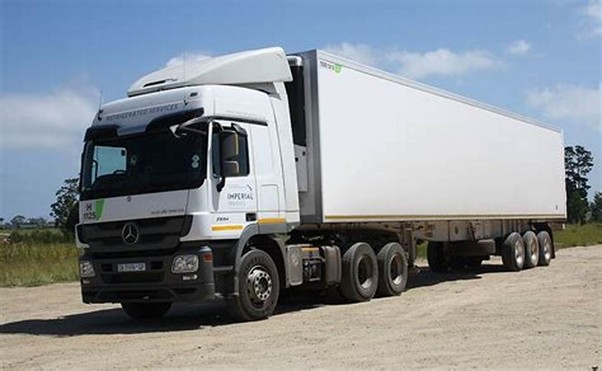
Here are some key hurdles and how to address them:
1. Transportation & Distribution Issues
? Challenge:
Poor road networks, long distances, and high fuel costs make delivery slow and expensive.
✅ Solution:
- Use regional distribution hubs to minimize travel distances.
- Partner with local transporters who understand rural routes.
- Invest in smaller, fuel-efficient vehicles or motorcycles for last-mile delivery.
2. Limited Infrastructure
? Challenge:
Lack of proper storage facilities, electricity, and internet connectivity.
✅ Solution:
- Set up small-scale warehouses with basic storage solutions.
- Use solar-powered refrigeration for perishable goods.
- Implement manual stock management systems where digital solutions are unavailable.
3. Low Stock Turnover & Demand Variability
? Challenge:
Low population density and unpredictable buying patterns affect sales.
✅ Solution:
- Conduct seasonal demand forecasting (e.g., stocking more agricultural supplies before planting season).
- Focus on essential and fast-moving products rather than slow-moving stock.
- Use pre-ordering models to reduce excess inventory risks.
4. Higher Distribution Costs & Low Margins
? Challenge:
Low sales volume and high delivery costs make profitability difficult.
✅ Solution:
- Combine deliveries with multiple retailers in one trip.
- Use a subscription or bulk-order model to consolidate shipments.
- Explore local production partnerships to reduce dependency on distant suppliers.
5. Payment & Credit Limitations
? Challenge:
Limited banking access, reliance on cash transactions, and low purchasing power.
✅ Solution:
- Introduce mobile money payments (e.g., M-Pesa, Paytm, or Airtel Money).
- Offer flexible credit schemes through partnerships with microfinance institutions.
- Use layaway plans where customers can pay in instalments.
6. Poor Brand Visibility & Marketing Reach
? Challenge:
Limited internet access and fewer advertising channels make marketing difficult.
✅ Solution:
- Use local influencers and community events to promote products.
- Leverage radio, posters, and word-of-mouth for advertising.
- Employ village-level agents to act as sales reps and brand ambassadors.
7. Supply Chain Inconsistencies
? Challenge:
Irregular product availability due to supplier delays.
✅ Solution:
- Diversify suppliers to avoid over-reliance on one source.
- Maintain a buffer stock of high-demand items.
- Use predictive analytics to anticipate demand fluctuations.
8. Seasonal Accessibility Issues
? Challenge:
Roads become impassable during rainy seasons, cutting off supply chains.
✅ Solution:
- Stockpile essential goods before difficult seasons begin.
- Use alternative transport modes like bicycles, boats, or local carriers.
- Set up community storage centers in hard-to-reach areas.
9. Limited Skilled Workforce
? Challenge:
Finding trained staff for inventory management and customer service.
✅ Solution:
- Train and empower local entrepreneurs to manage small retail outlets.
- Offer basic merchandising and sales training to existing shop owners.
- Use simple, easy-to-follow inventory systems for local staff.
10. Security & Theft Risks
? Challenge:
Stock losses due to theft, fraud, or weak security measures.
✅ Solution:
- Implement community-based security networks to monitor inventory movement.
- Use sealed packaging and trackable deliveries to prevent pilferage.
- Establish trusted partnerships with local shopkeepers and distributors.
Final Thought:
Overcoming logistical challenges in rural merchandising requires innovative solutions like local partnerships, mobile money, and decentralized supply chains.
Would you like help in designing a custom distribution strategy for a rural market?
